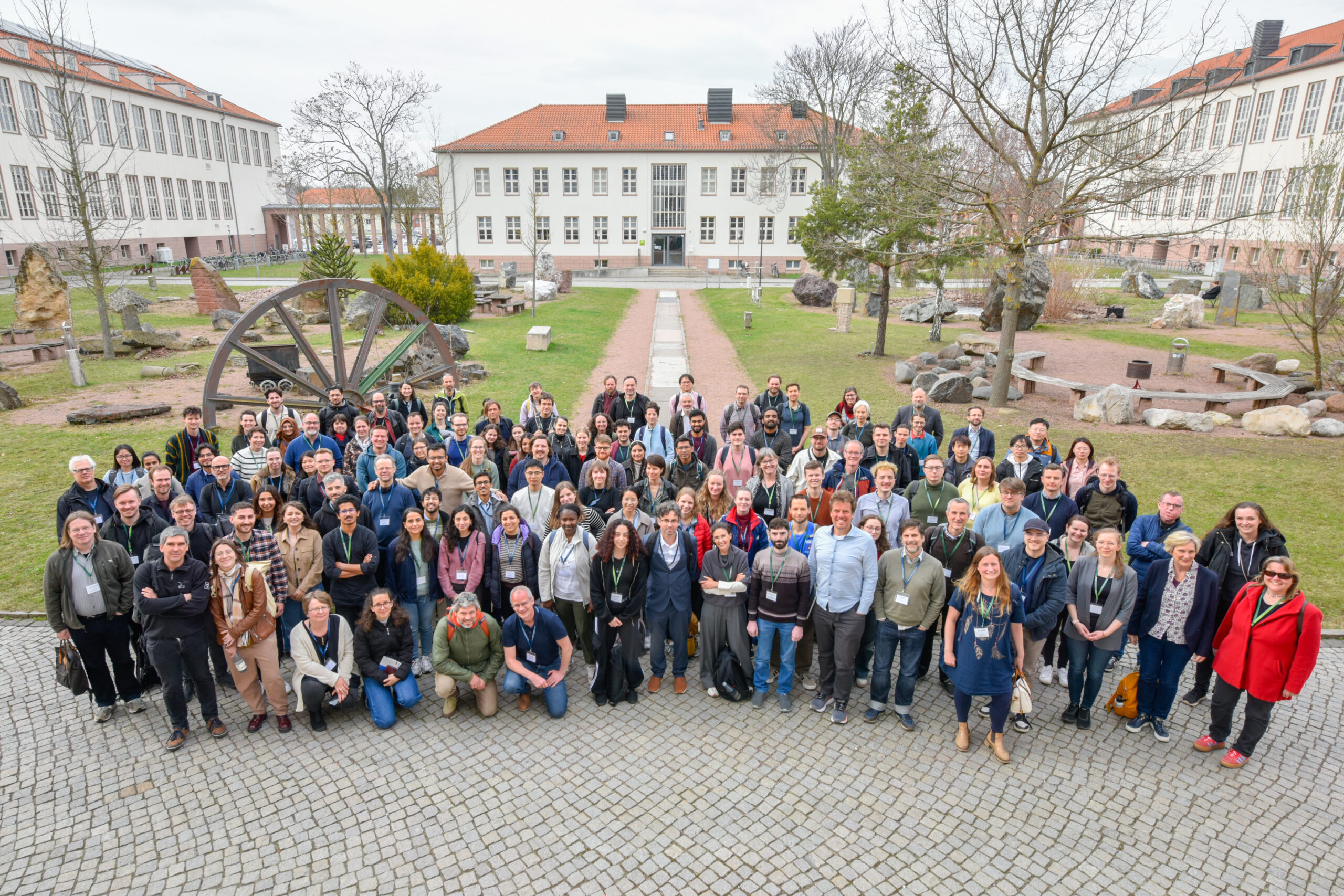
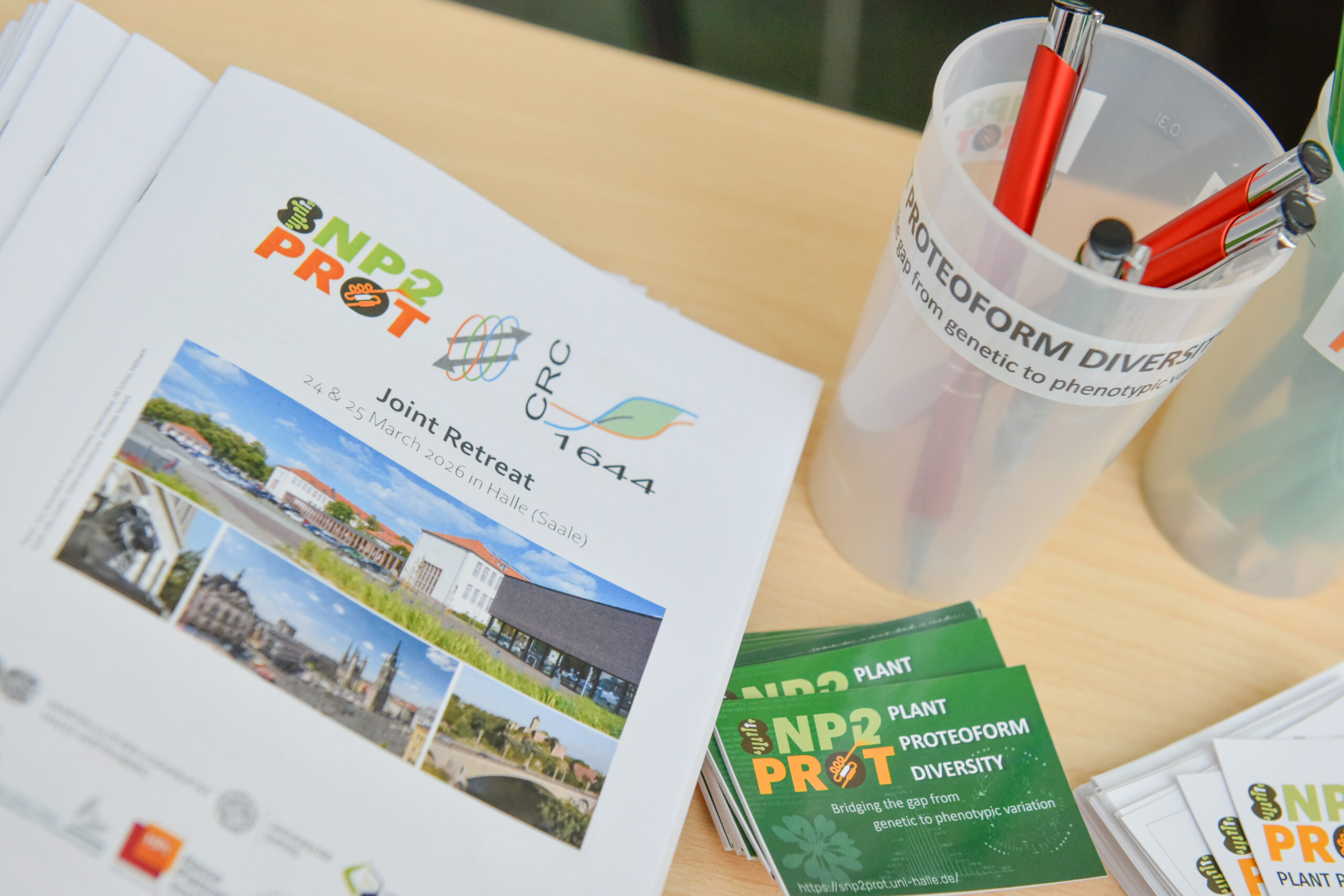
Geographically, only 150 km separate the two plant CRCs – SNP2Prot in Halle and CRC 1644 in Potsdam – both outstanding hubs of plant research in Germany. For us, it felt entirely natural to bring these two consortia together, as we saw it as a valuable opportunity to broaden the spectrum of expertise within both communities. We were therefore delighted that our colleagues from CRC 1644 visited Halle to hold a joint retreat earlier this week on Tuesday and Wednesday, 24 and 25 March.
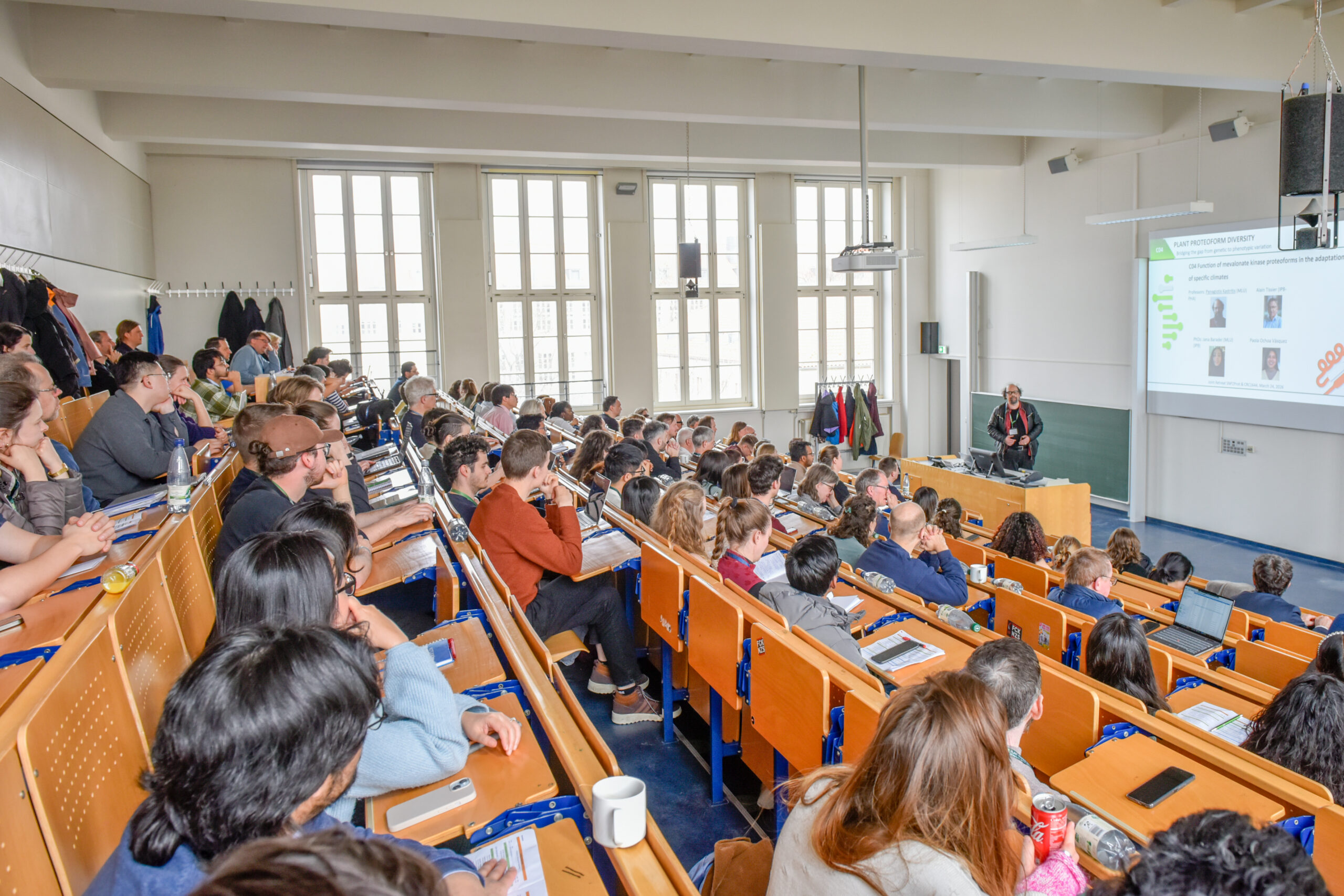
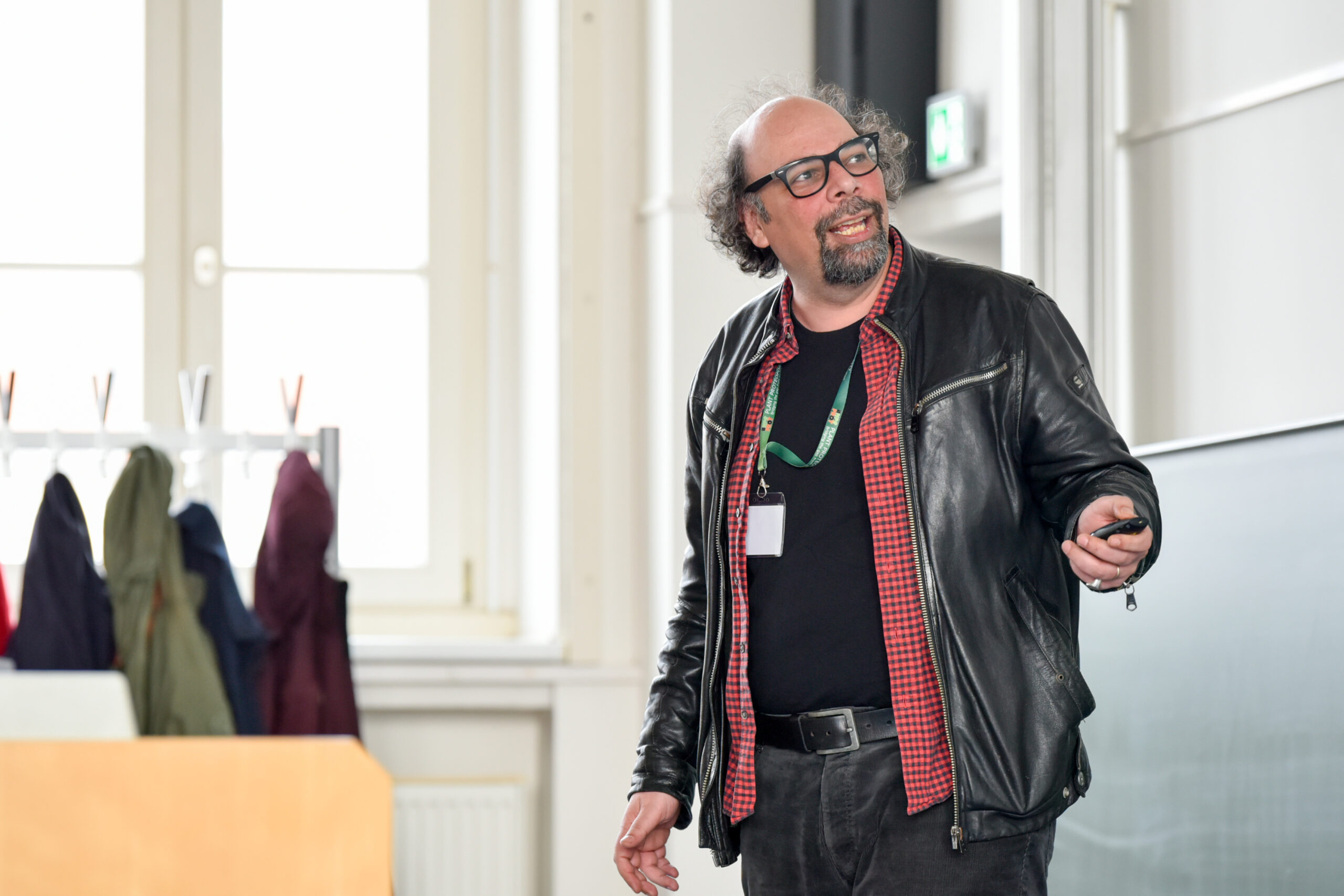
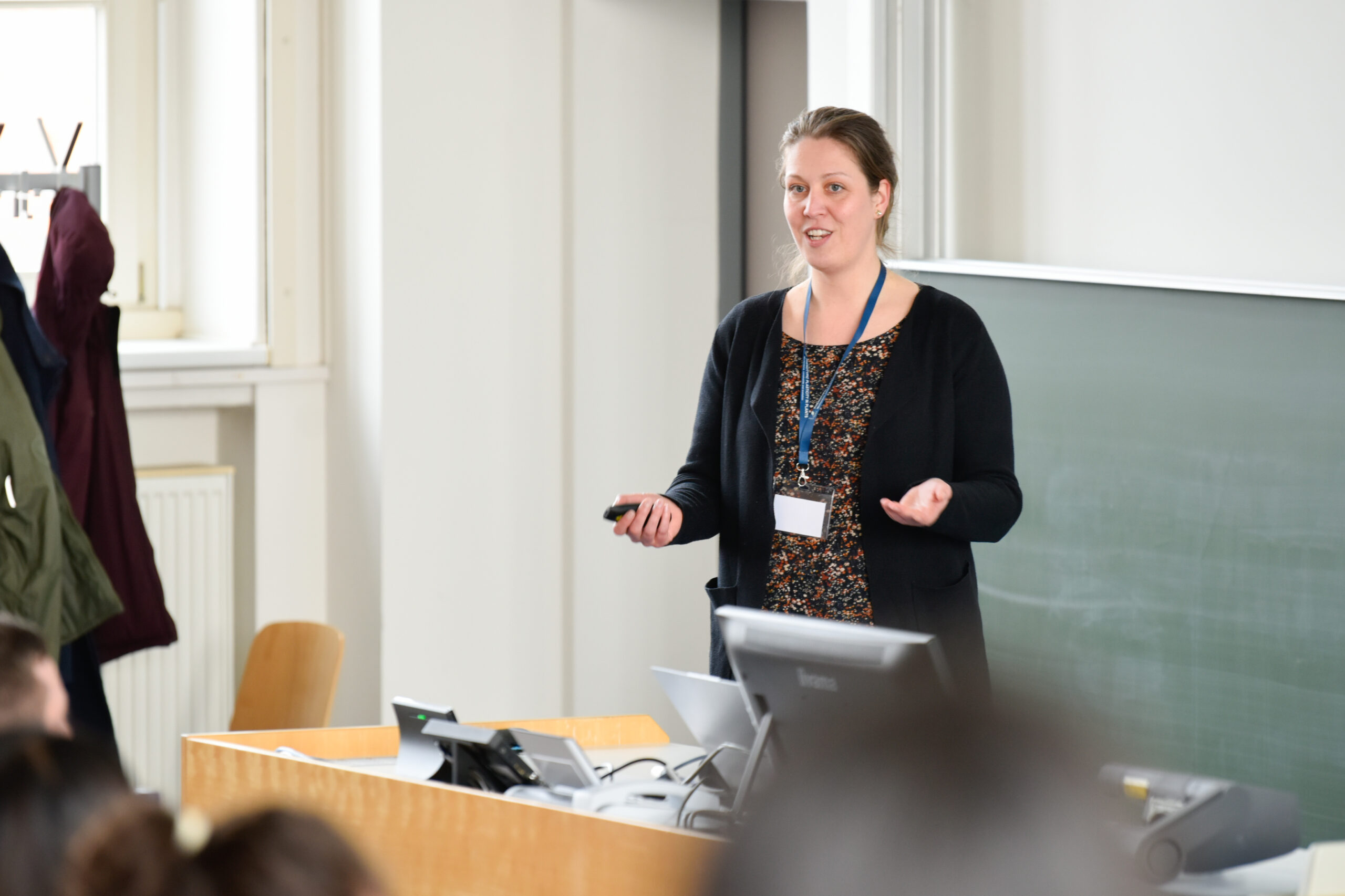
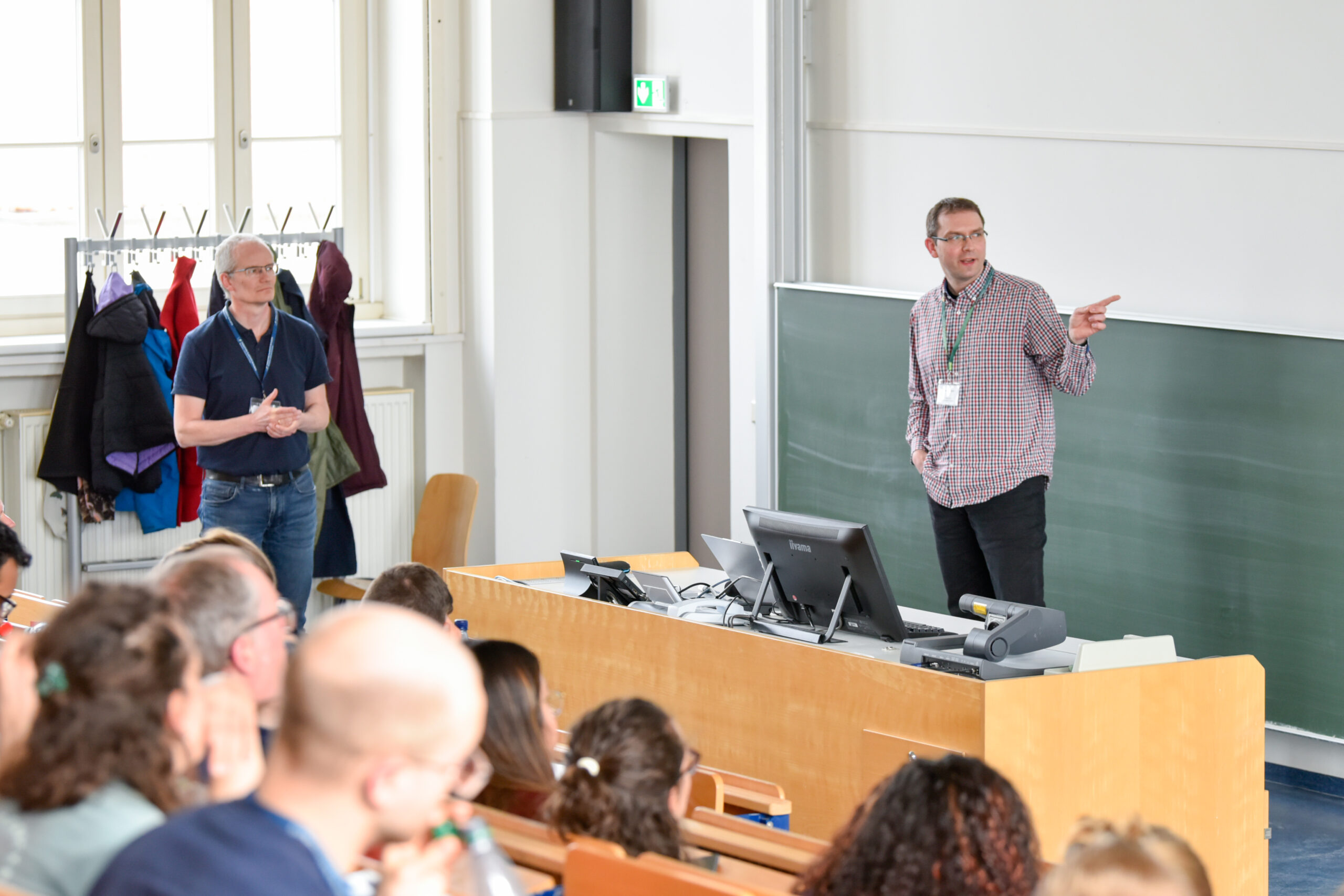
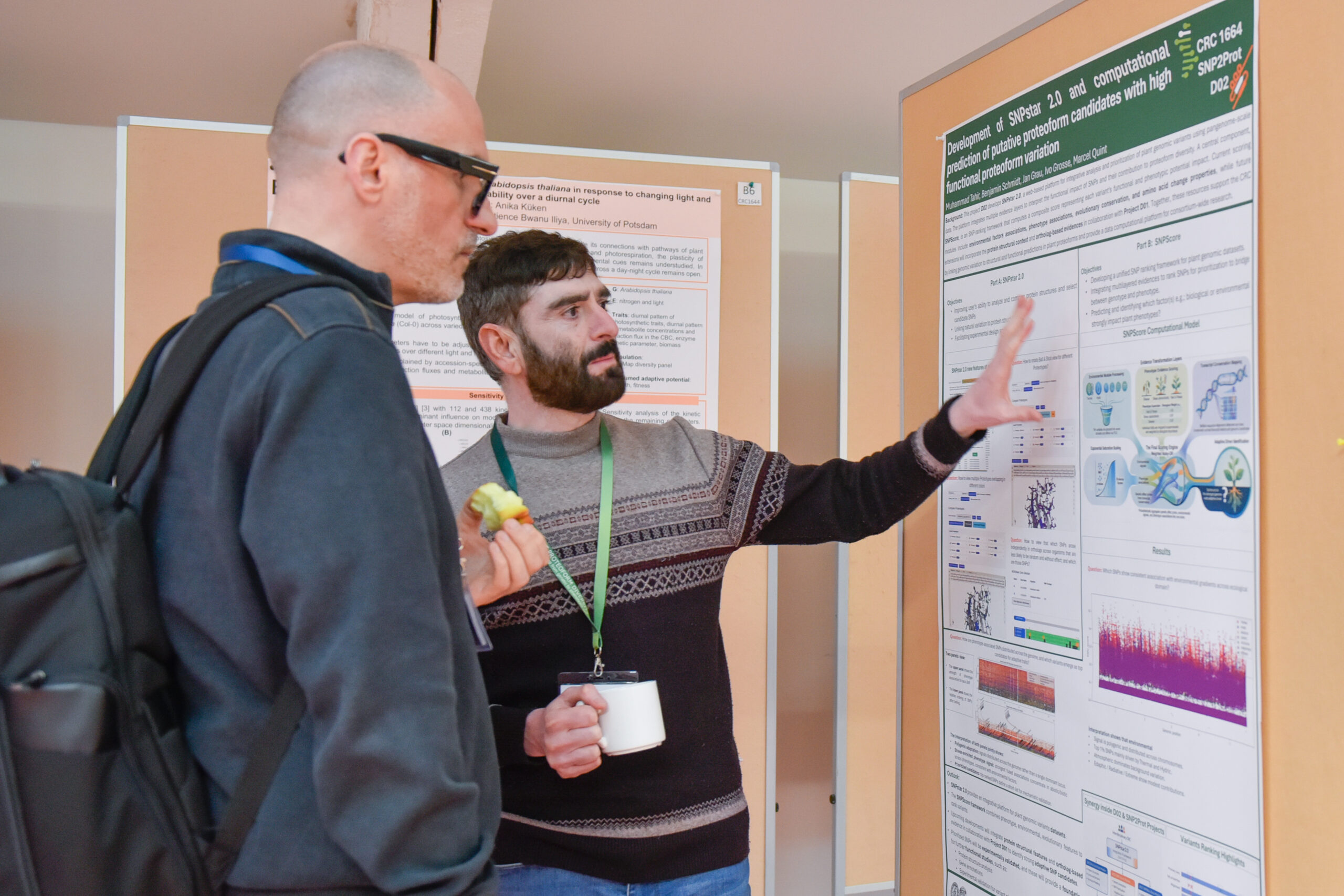
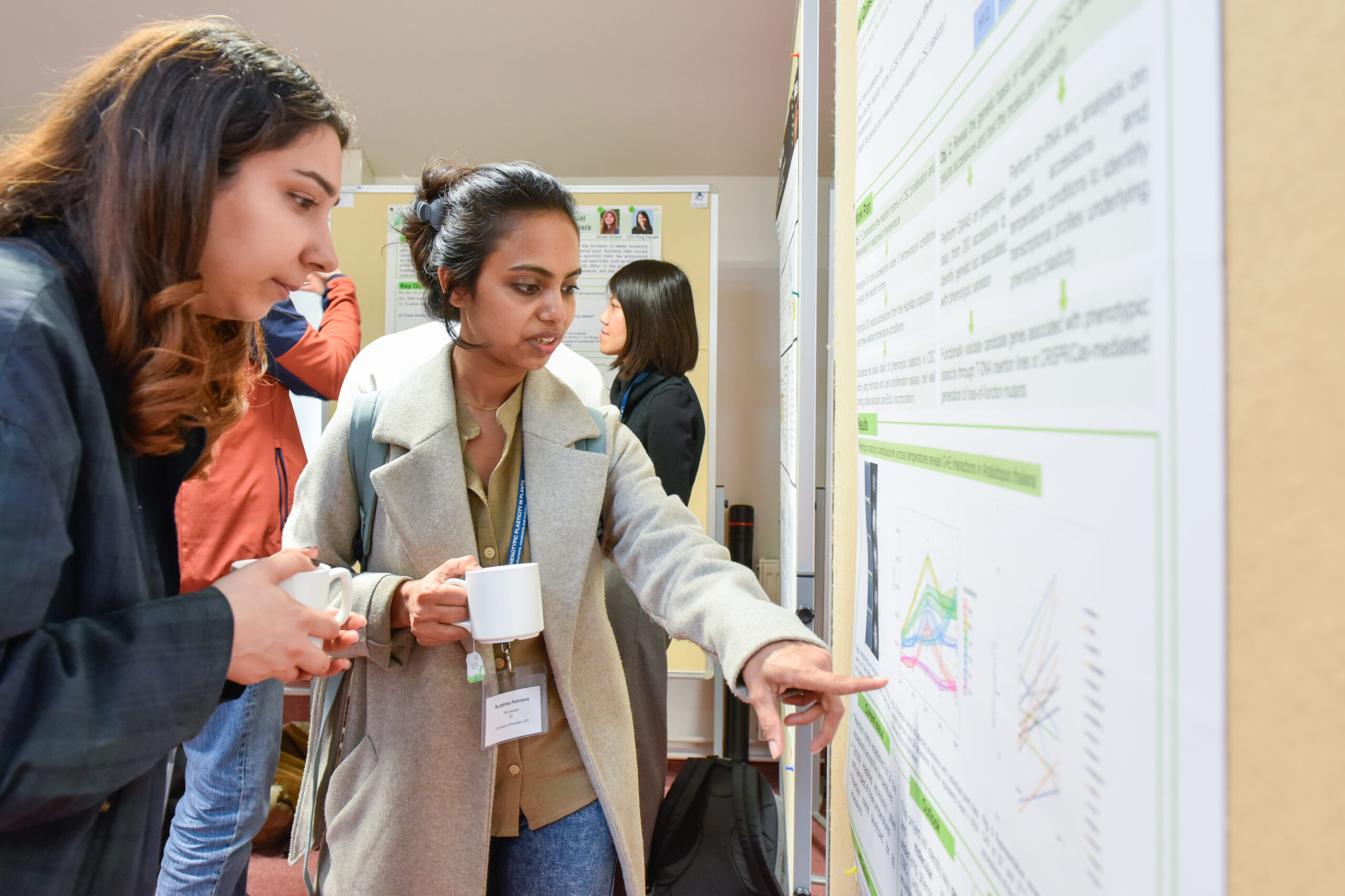
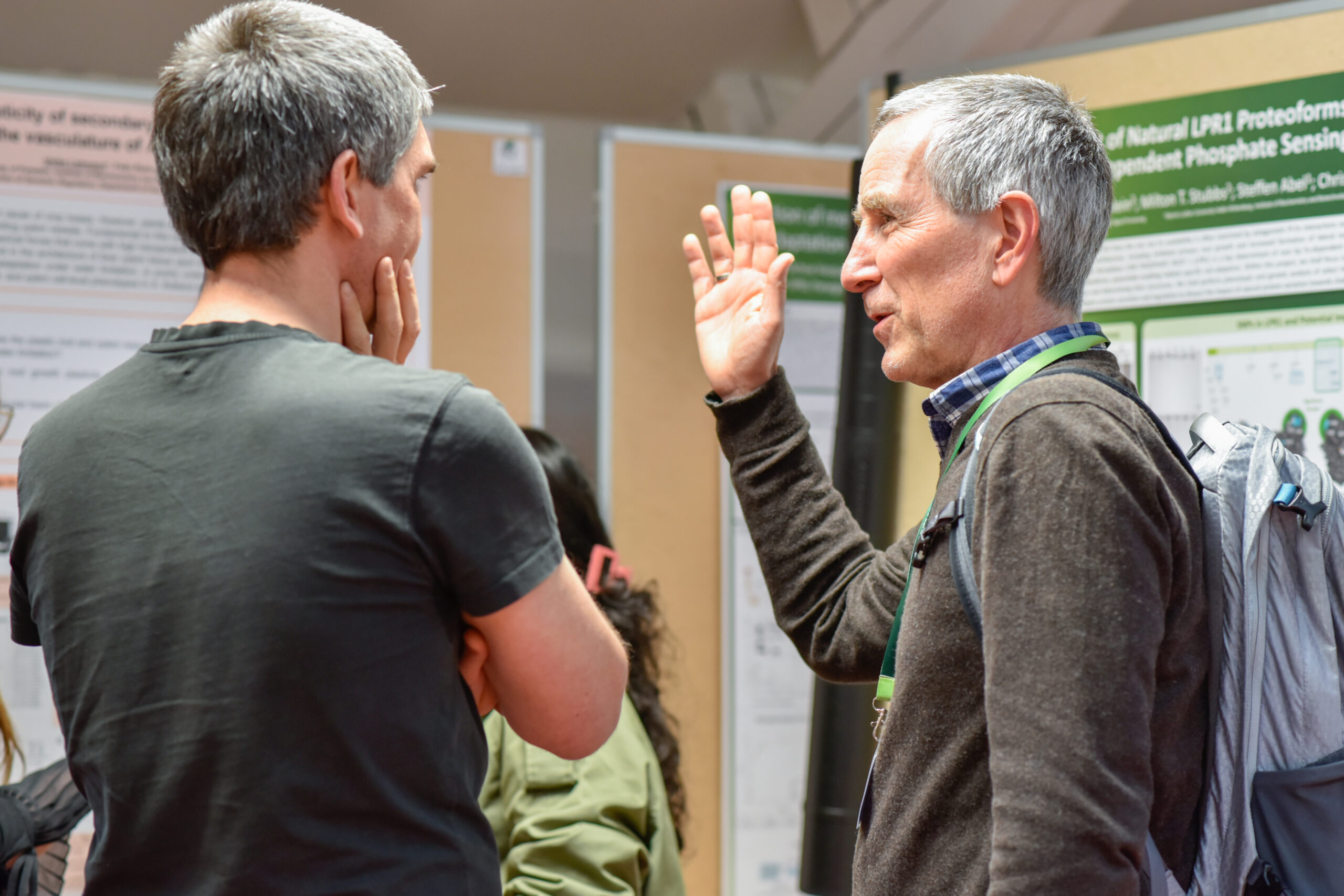
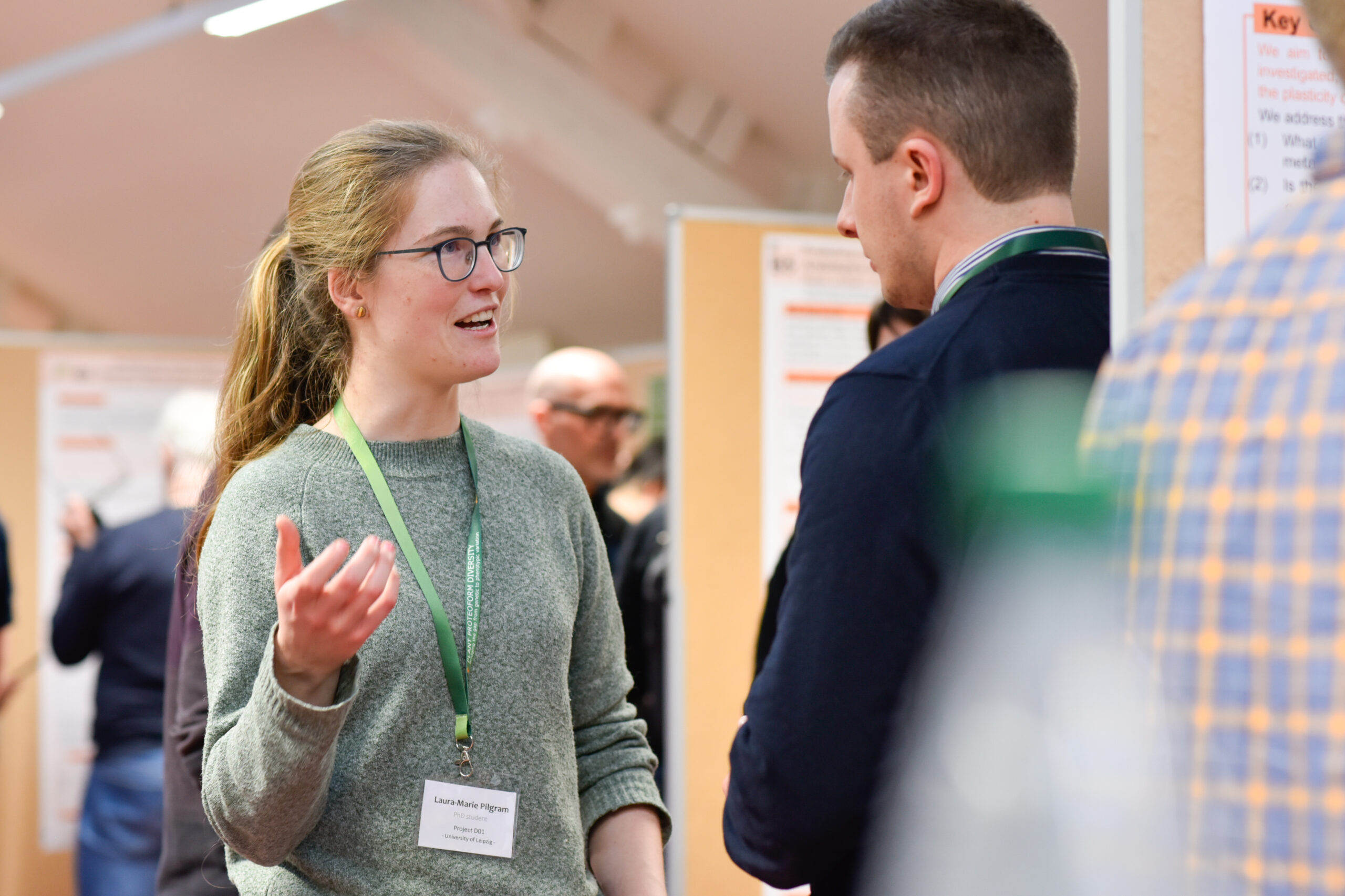
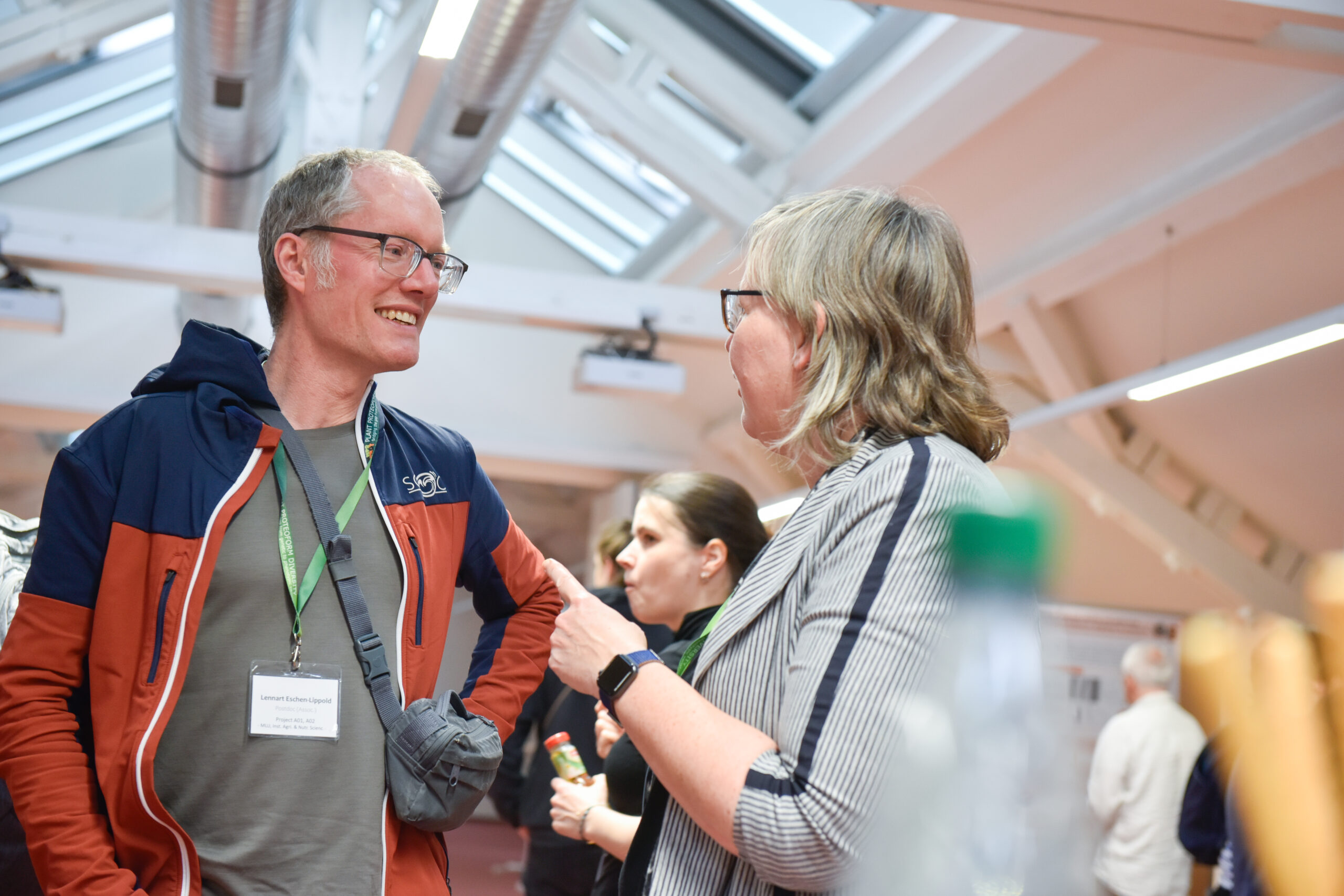
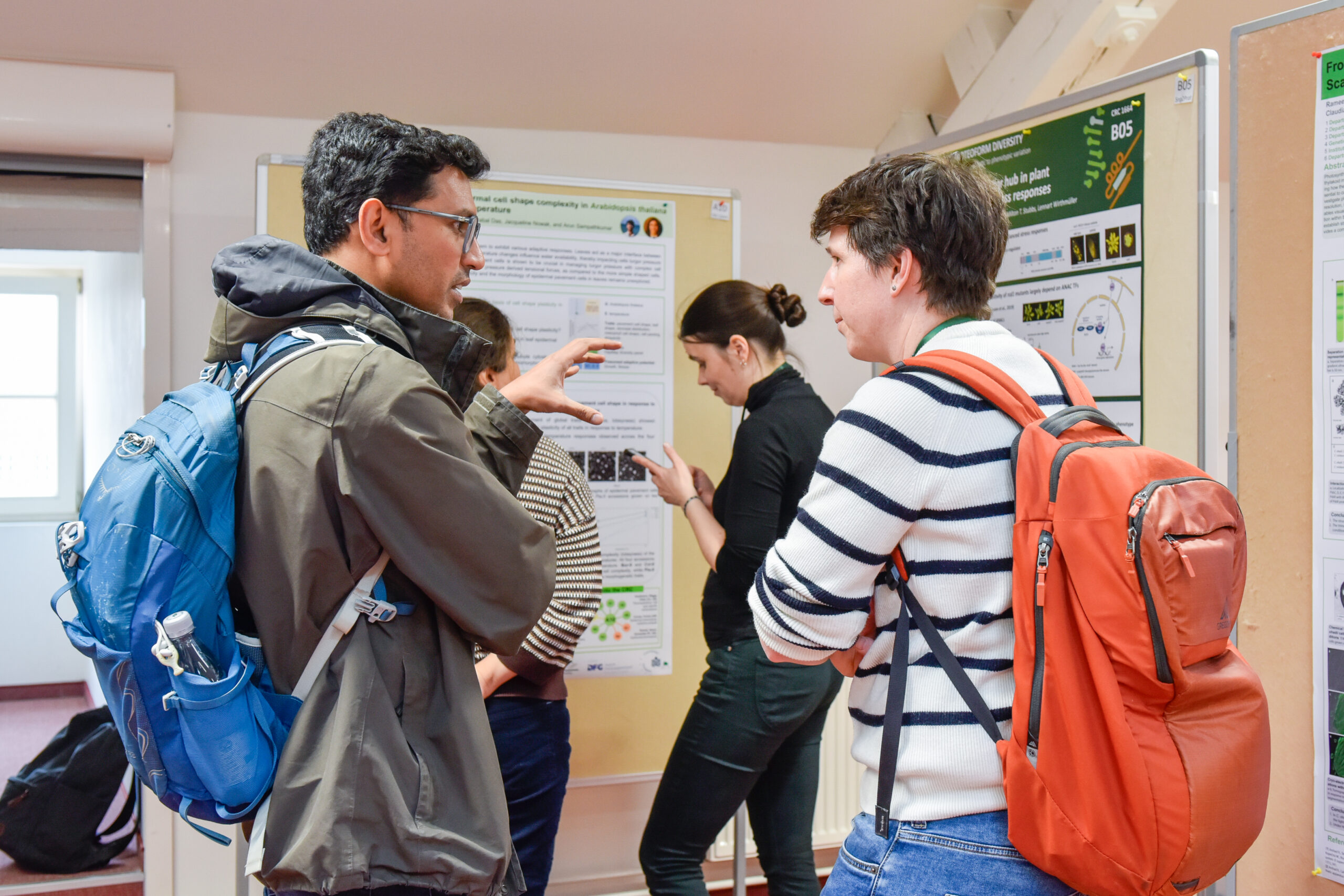
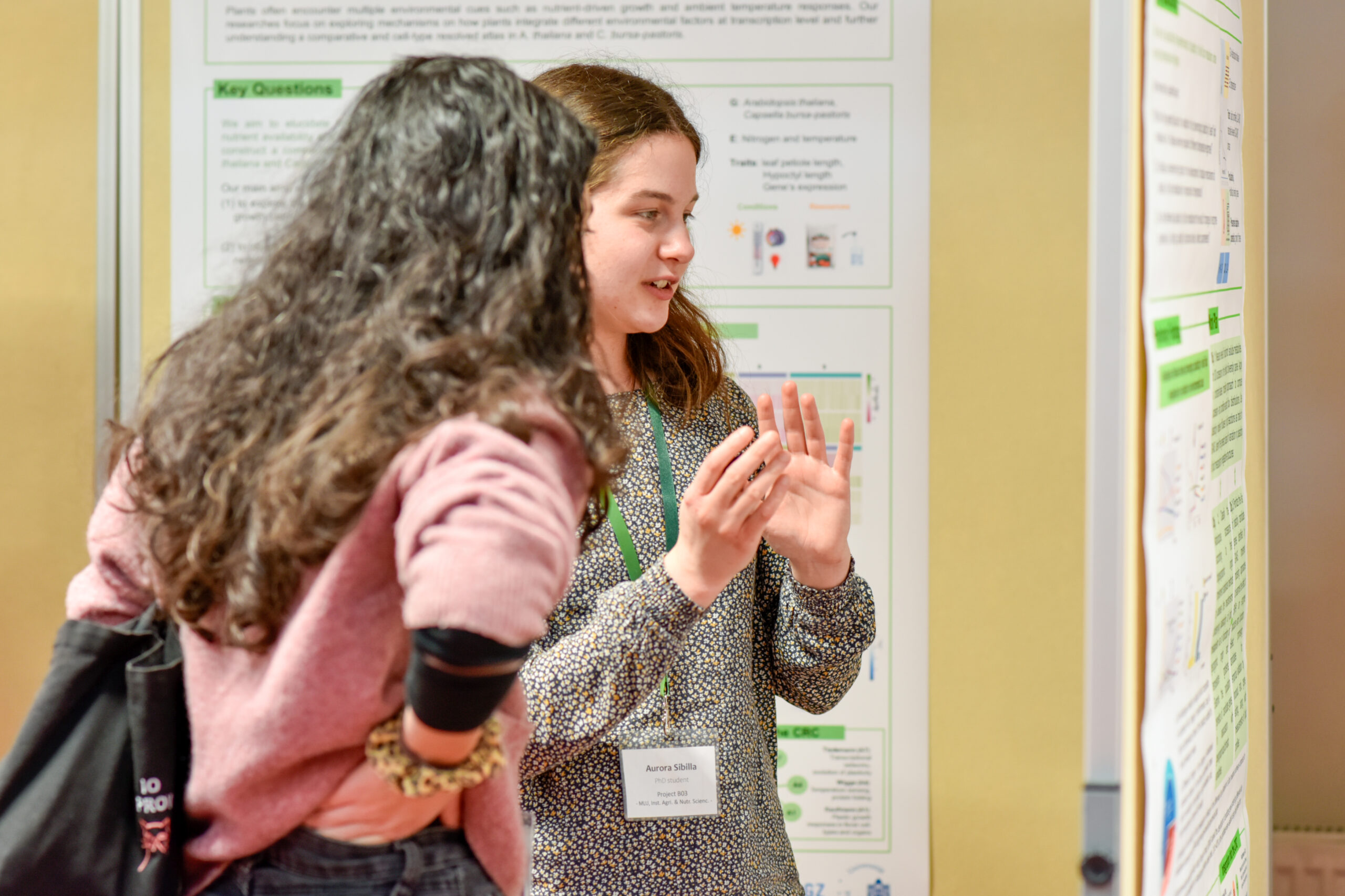
Looking back on the event, we can say that we gained deep insights into the aims and objectives of the CRC programmes, their individual projects, and the excellent research being carried out. We heard inspiring talks from PIs, and postdocs as well as doctoral researchers presenting their work during the poster sessions. It became evident throughout the retreat that both CRCs pursue innovative approaches in plant science and contribute outstanding expertise in their respective fields, with certain complementary aspects.
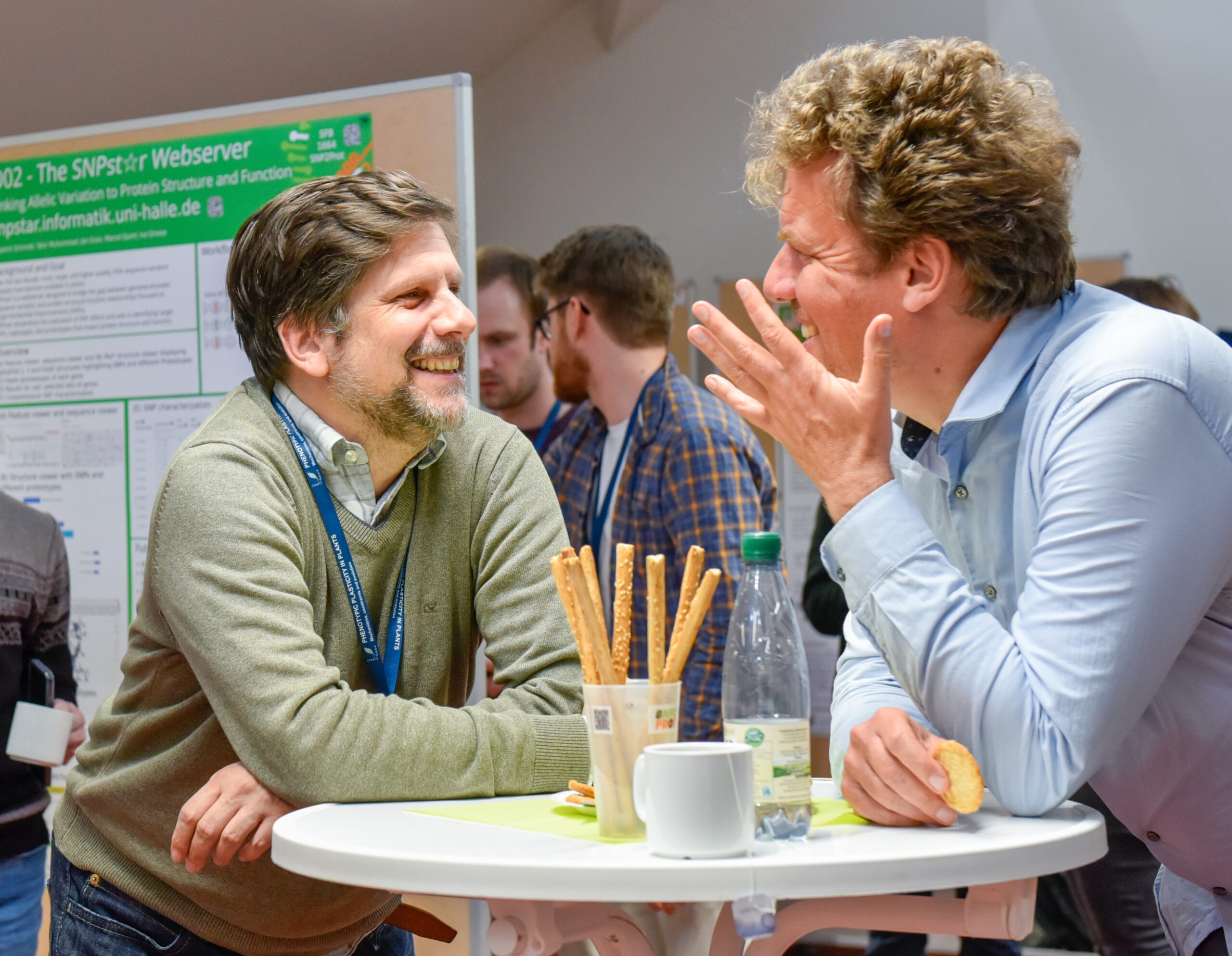
We realized that not only the project ideas themselves stand out, but also, for instance, the Potsdam expertise in phenotyping and the Halle expertise in protein biochemistry are particularly distinctive. In interactive discussion rounds, CRC members jointly identified analytical and methodological interfaces and crossovers between the two consortia, which may serve as a basis for synergies, future collaborations, or joint activities. We are convinced that fostering such interdisciplinary exchange between two CRC communities will strengthen the research of each CRC while preserving their distinct scientific profiles. For example, SNPstar – a web-based tool for predicting proteoforms with high functional variation, developed and continuously refined by SNP2Prot colleagues [https://snpstar.informatik.uni-halle.de/] – was perceived as a valuable enrichment for the CRC 1644 plant research community and may be implemented in their projects.
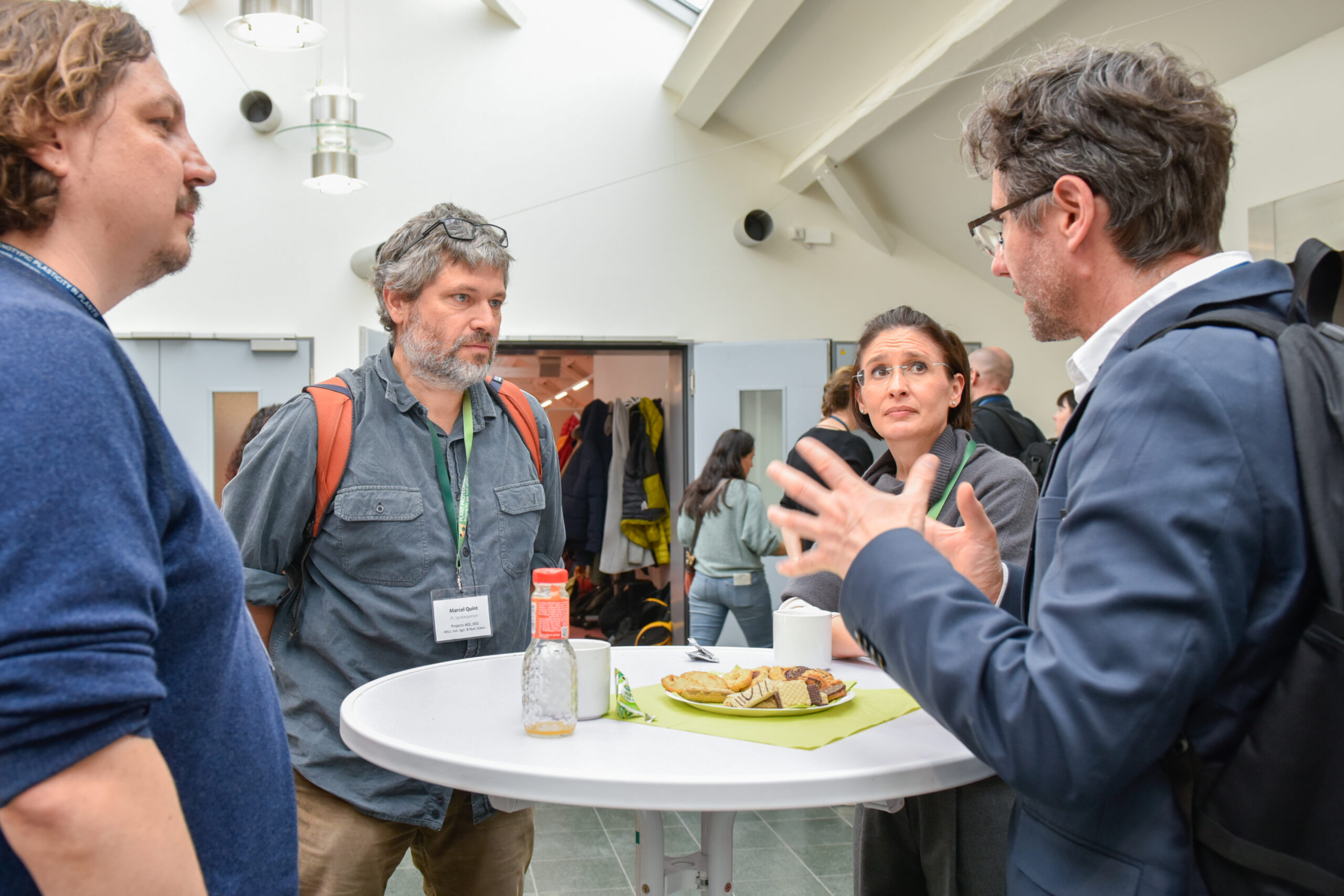
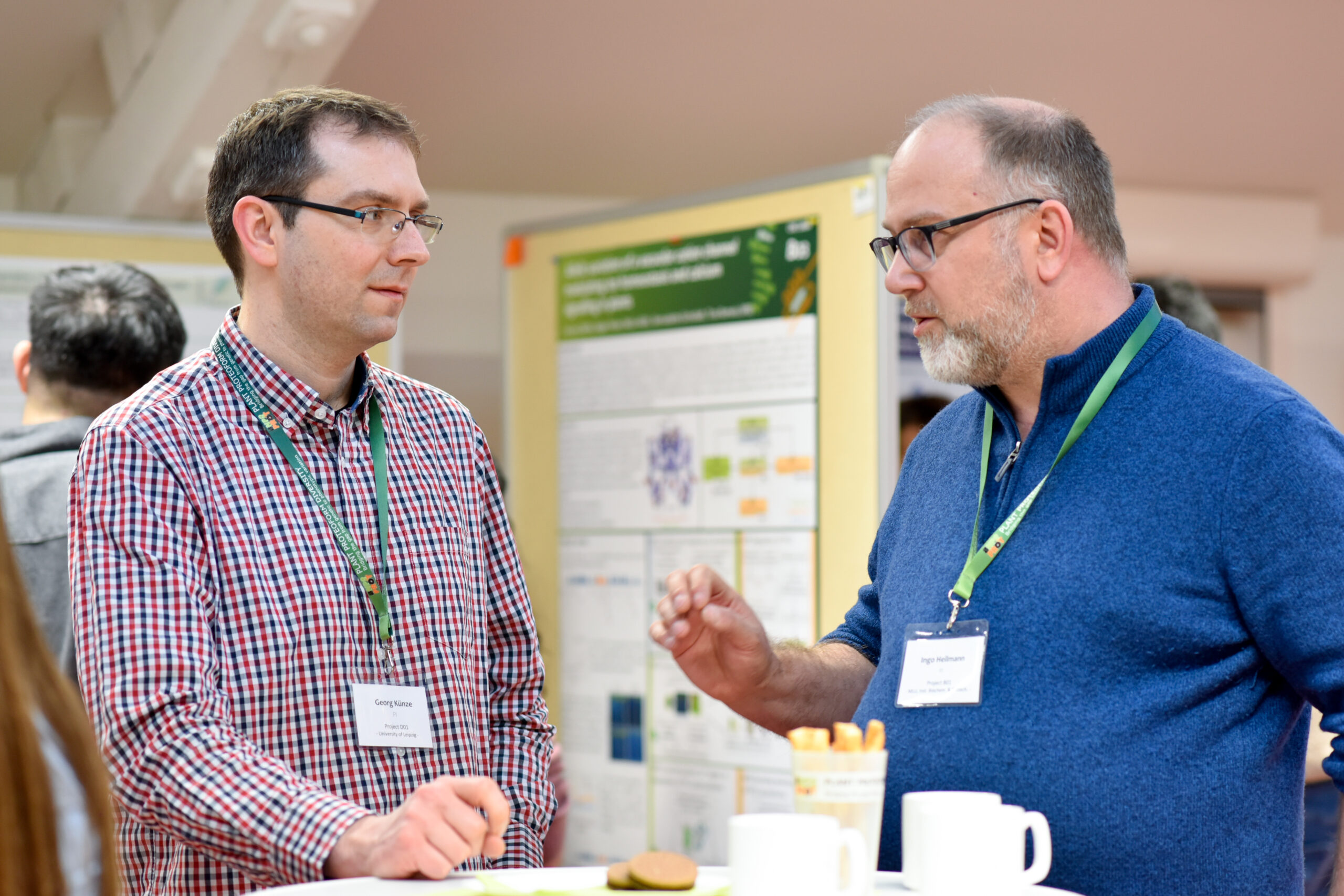
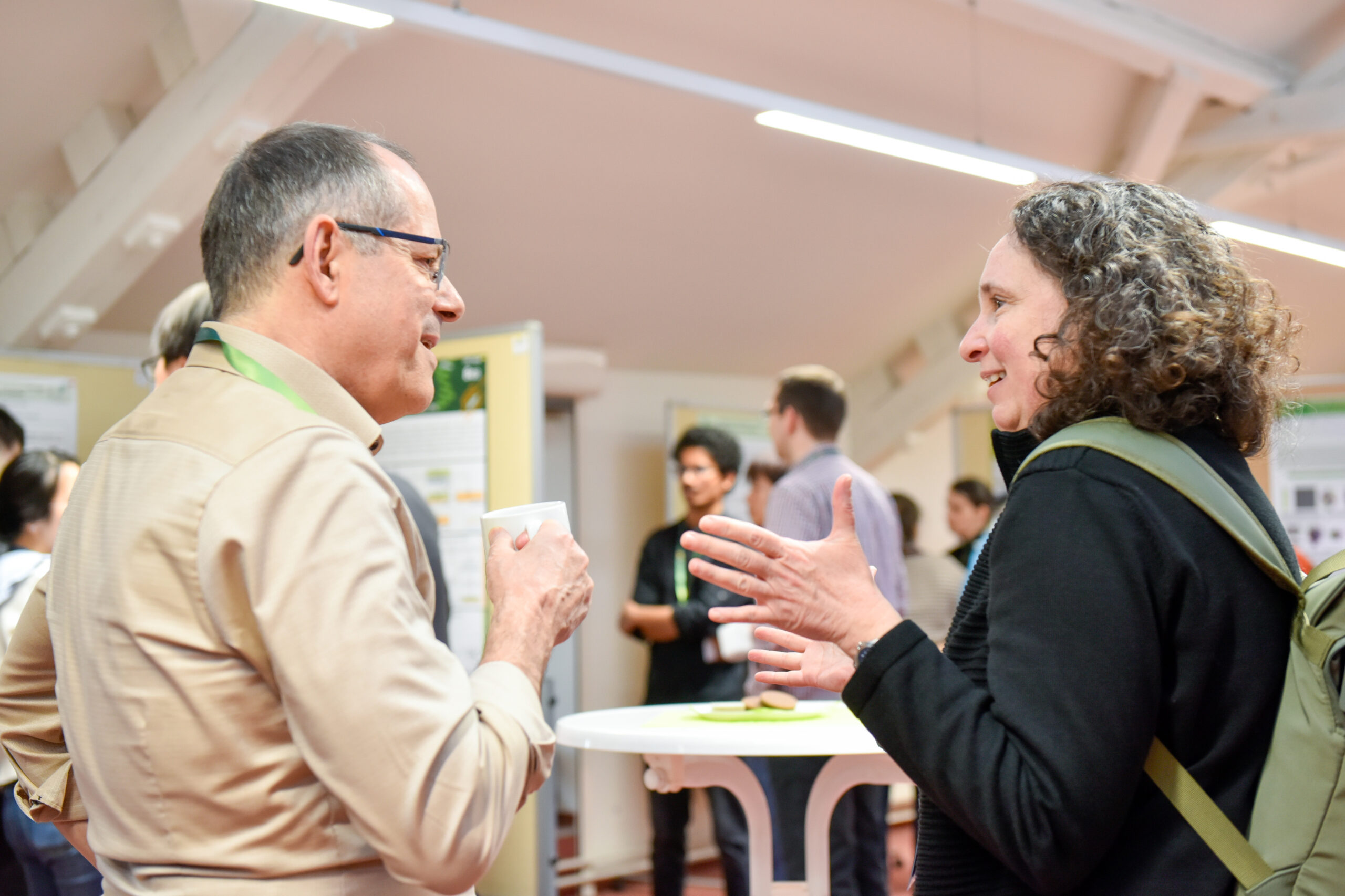
Beyond the scientific exchange, the retreat offered ample time for discussion and networking. PIs, postdocs, and doctoral researchers alike used the opportunity to expand their networks, connect with one another, and share experiences and ideas. Looking beyond one’s own immediate research context proved both inspiring and constructive. We would greatly appreciate if this joint retreat has helped to initiate lasting connections on both professional and social levels.
Photos by Markus Scholz